Choosing exterior colors that hold up in Torrance light
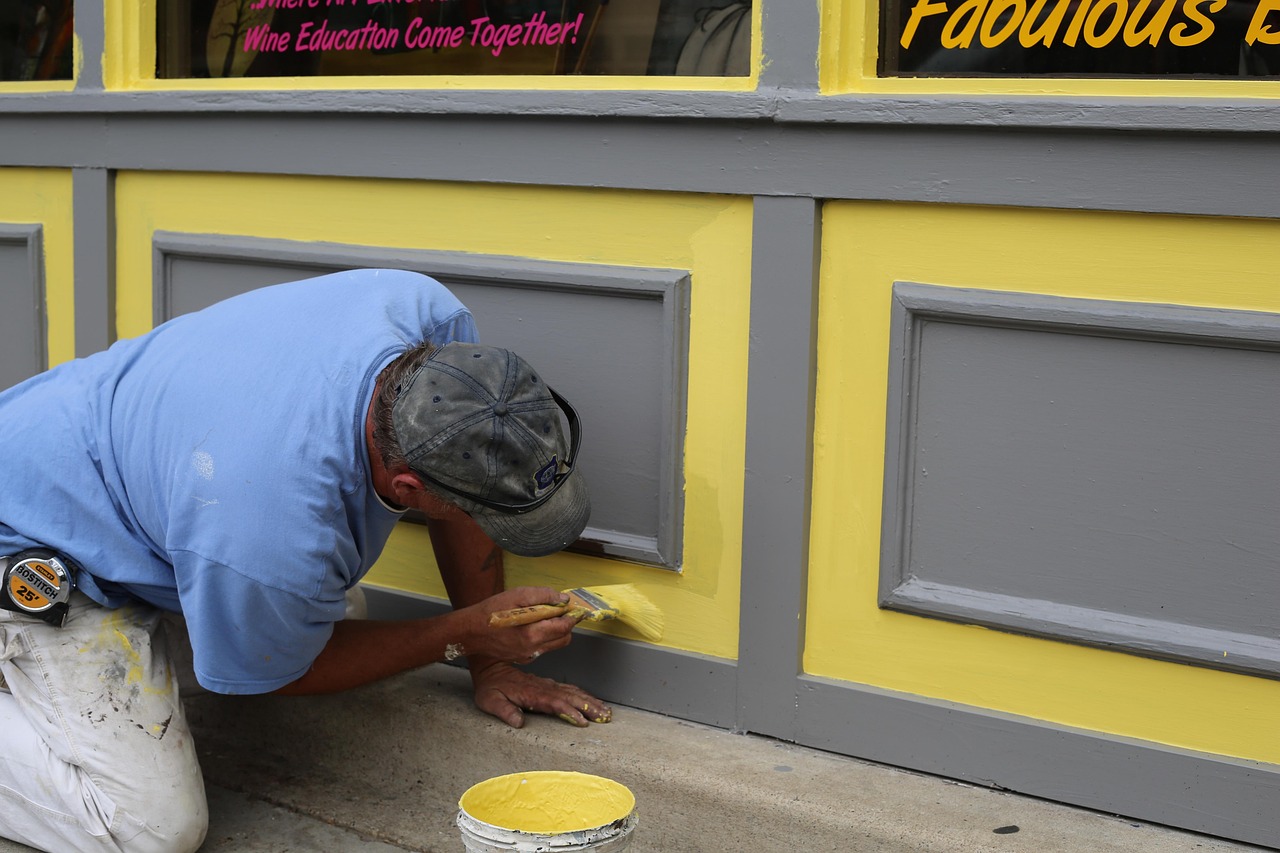
Color is the part of a repaint that homeowners think about first and the part that goes wrong most often after the crew leaves. A shade that looked right on a two inch chip under kitchen lighting can read a different color entirely on a stucco wall in Torrance at four in the afternoon. The coast changes how paint looks, and understanding that before the first gallon is opened saves a lot of regret.
Why does the same color look different on a Torrance wall?
Light is the reason. The marine layer that settles over the South Bay in the morning acts like a huge diffuser, so a wall in shade under gray sky looks cooler and flatter than the same wall at noon. By late afternoon the sun drops low over the Pacific Ocean and throws warm, directional light across west facing walls. A color that looks soft beige at breakfast can turn peach by dinner.
Stucco adds to the effect. The texture creates thousands of tiny shadows, and those shadows darken the apparent color compared with a smooth board painted the same shade. A color on stucco usually looks one step deeper than the chip, so many painters suggest picking one shade lighter than the one that looks perfect on the card.
How do you test a color properly?
The only reliable test is a large sample on the real wall. Paint a patch at least two feet square, and paint a second one on a different side of the house. Look at both in the morning fog, at midday, and in the low evening light. Leave them up for a few days, because a color often feels wrong on day one and fine on day three, or the other way around.
Samples should go on over primer or over a white base, not directly on an old dark wall, since the old color bleeds through and skews the result. A sample painted on a board and propped against the wall is better than nothing, but it does not pick up the texture of stucco, so it misleads on rough surfaces.
What colors tend to hold up near the coast?
Mid tones with a little gray in them hold up best. Pure whites show every bit of dirt and salt haze. Very dark colors absorb heat and show chalking early, which is that pale powder that appears as the binder breaks down in strong sun. Warm grays, soft sand colors, muted greens and weathered blues all sit comfortably under coastal light and hide the dust that blows in off the streets.
Houses near the Palos Verdes Peninsula, with its mix of hills, ocean views and mature landscaping, often look best in colors that echo the surroundings: earth tones, sage, and quiet blues. Neighborhoods around the Del Amo Fashion Center and the older streets closer to El Camino College have a wider mix of postwar stucco, and neutral palettes tend to age well there too.
Dust and salt haze also decide how often a wall needs washing. A mid tone hides a light film for a long time, while a pure white wall shows a streak the first time a sprinkler hits it. That practical difference tips many Torrance homeowners away from the whitest shades on the card.
How many colors should a house have?
Three is the usual number: one for the walls, one for the trim, and one for the front door or an accent. A fourth color for the garage door or shutters sometimes works, but each added color adds more cut in work and more chances for a mismatch at the edges. Keeping the trim color within a shade or two of the wall color makes the house feel calmer, while a stronger contrast makes the architecture stand out.
The relationship between the colors matters as much as any single choice. A cool gray wall with warm cream trim can look muddy. A warm wall with a cool white trim can look washed out. Painters often lay the three color samples next to each other on the wall to check how they talk to each other before committing.
Does sheen change the color?
Yes, and by more than most people expect. A higher sheen reflects more light, which makes a color look lighter and sometimes slightly different in tone. The same pigment in flat finish looks deeper and more velvety. Stucco walls usually go flat or low sheen to hide texture shadows and patch marks. Trim usually goes semi gloss or satin for durability and easy cleaning. Because of that difference, the trim color should be sampled in the actual sheen, since a gloss sample next to a flat wall looks bolder than a flat sample would.
What about dark colors and fading?
Dark colors fade faster in the sun, and on stucco a deep color also shows hairline cracks and patch repairs more clearly. Paint makers have improved fade resistance in recent years, but pigment chemistry still sets limits. Some colors, particularly bright reds and deep blues, shift more over time than neutral shades. A homeowner set on a dark shade should choose a high quality acrylic latex made for exterior use and ask the painter to apply it at full thickness in two coats. A thin coat of dark paint fades and chalks sooner.
Dark colors on south and west walls also run hotter. That extra heat expands the surface and stresses old caulk joints and trim joints. Where the wall is in strong afternoon sun all year, a medium tone is kinder to the paint film than a very dark one.
Should the new color match the neighbors?
Matching exactly is rarely the goal. Houses on the same street read better when the colors sit in a similar family without repeating. Walking the block and looking at the rooflines, the tile color and the landscaping shows which tones already work with the surrounding scene. A new color that clashes with the roof is the most common mistake, because the roof cannot be changed. Tile and shingle colors have undertones, warm or cool, and the wall color should agree with them.
Is there a good time of year to decide?
Deciding in spring, when gray mornings are common, shows how the color behaves under the marine layer. Deciding in late summer or early fall, when the sun is high and clear, shows how it looks in the strongest light. Checking in both seasons gives a more complete picture, but for most jobs that is not realistic, so samples viewed across several different days and times are the practical answer.
What happens when a color is a mistake?
A wall that has been painted the wrong color can be repainted, but it costs labour and time again, and a bold color often needs a tinted primer to cover in two coats. This is why the sample step matters. A day of waiting and looking is cheap compared with putting a wrong color on every wall of a two story house.
Pick the color in the light it will live in, test it large, and let the samples sit through a few days of Torrance weather before the sprayer comes out.