Working around morning fog and dew when painting in Torrance
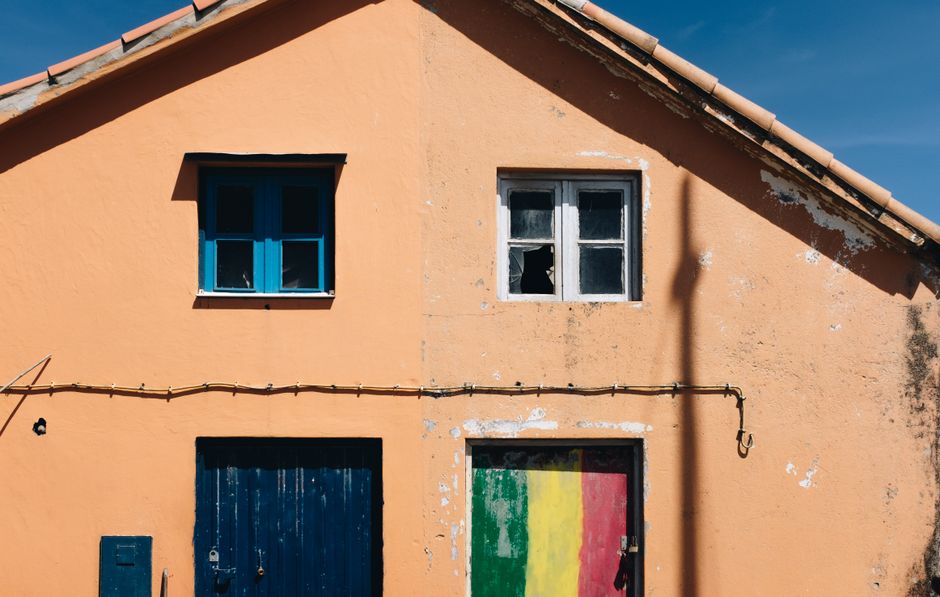
Nothing about a foggy morning in the South Bay looks like a problem for painters, which is the problem, because a wall can feel dry and still carry a film of dew. The running record exterior painters torrance sam sparro holds shows the same pattern on exterior repaint after exterior repaint in Torrance, CA: paint applied too early peels or goes cloudy, and paint applied too late runs out of daylight.
The marine layer and the dew point

Cool air off the Pacific Ocean slides inland overnight and sits under a lid of cloud until late morning. Surfaces cool to the air temperature, and when a wall is at or below the dew point, moisture forms on it. Walls on the shaded side of a house near El Camino College stay damp longer than walls facing the sun.
Checking before the first coat
The crew runs a hand over the wall, then uses a moisture meter on stucco and wood. A surface thermometer reading compared against the air temperature shows whether dew is likely. Any wall that is cold and damp waits, even if the sun is up and the sky looks bright.
What goes wrong with wet paint
Acrylic latex dries by water leaving the film. On a damp, cool morning the water leaves slowly, and surfactants in the paint can rise to the surface and leave streaks or a sticky feel. Light rain or heavy dew in the first few hours can wash those streaks down the wall. Primer applied under dew can fail to bond at all, and the failure only shows months later as peeling.
Working the house around the sun
Painters on this coast move around the house with the light. East walls dry first, south and west walls follow, and the north side often goes last in the afternoon. That order keeps the roller on dry surfaces and keeps the cut in work clean at the trim line. Starting the sprayer on a wet east wall at seven in the morning just to keep a schedule is how a repaint gets redone.
Evenings and the second coat
The fog returns by evening, sometimes well before dark near the water. A second coat has to be dry to the touch before the marine layer settles back in, and the crew stops early enough to let that happen. Two coats on a long summer day work. Two coats pushed into a damp evening do not.
Seasons
Late spring has the heaviest gray mornings, and the wall stays cold well past breakfast. Early fall tends to bring the clearest stretches of the year, with dry mornings and a long working day. Winter brings rain, which stops exterior work outright until the walls dry out again.