Fixing hairline stucco cracks before a Torrance repaint

On a stucco house that has sat through decades of Southern California sun and the occasional shake, every wall has cracks somewhere, and the running record exterior painters torrance sam sparro holds shows that a repaint outlasts the previous one only when those cracks are dealt with first. Exterior painting on stucco in Torrance, CA is a crack job before it is a color job.
Reading the crack
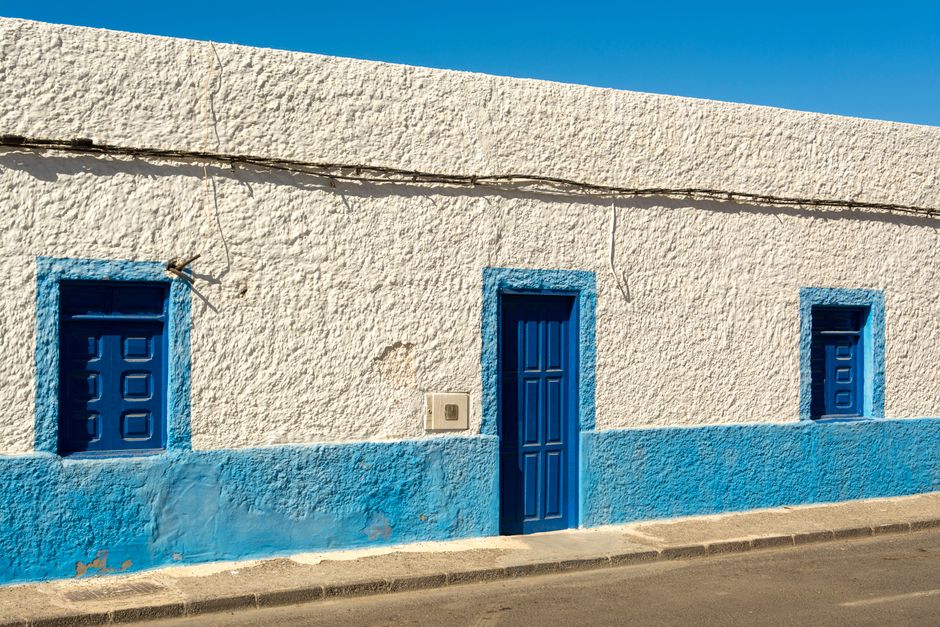
A hairline crack, thinner than a credit card edge, is usually shrinkage and moves very little. A crack wide enough to take a fingernail, or one that runs diagonally from a window corner, is movement. The first kind gets filled. The second gets cut open slightly, cleaned and patched, and the crew watches whether it opens again.
Caulk or patch
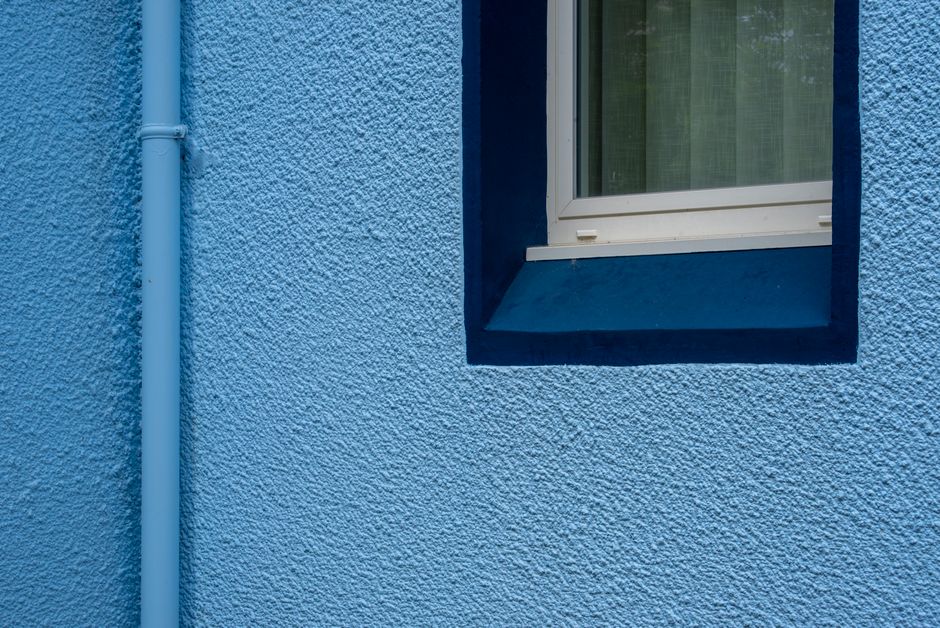
Narrow cracks take a paintable elastomeric caulk, worked in with a wet finger so the edge feathers into the texture. Wider cracks and spalled spots take a stucco patch compound pressed in with a trowel, then stippled with a brush or a sponge so the texture matches the surrounding wall. A smooth patch on a sand finish wall shows up as a shiny scar under almost any sheen.
Why filler alone does not hide it
Filled cracks still telegraph if the texture is wrong. The crew rolls a bit of primer over each repair, lets it dry, and looks at it from an angle with the sun low. Any patch that still shows gets another light pass of patching before the topcoat goes on.
Elastomeric coating
Elastomeric coating is a thick, stretchy acrylic that bridges hairline cracks and sheds wind driven water. It goes on heavy, often through an airless sprayer and then back rolled so it is pushed into the texture. The mil thickness is the point of it: a thin coat of elastomeric behaves like regular paint and loses the benefit. The downside is that it traps vapor, so a wall that is damp inside will blister under it.
Regular acrylic over repaired stucco
Plenty of houses in the South Bay do fine with a quality acrylic latex and two coats over properly patched stucco. Flat or low sheen hides surface variation better than satin. The roller nap matters here: a thick nap pushes paint into deep texture, while a thin one skips the valleys and leaves pinholes.
After the paint is dry
New cracks that open within the first year are normally movement cracks that were missed. They get caulked and touched up. Stucco on the slopes of the Palos Verdes Peninsula moves more than most because of the soil, and the crew accounts for that by leaving a small amount of matched paint with the homeowner for exactly this purpose.