Picking an exterior sheen for a sun-baked Torrance house
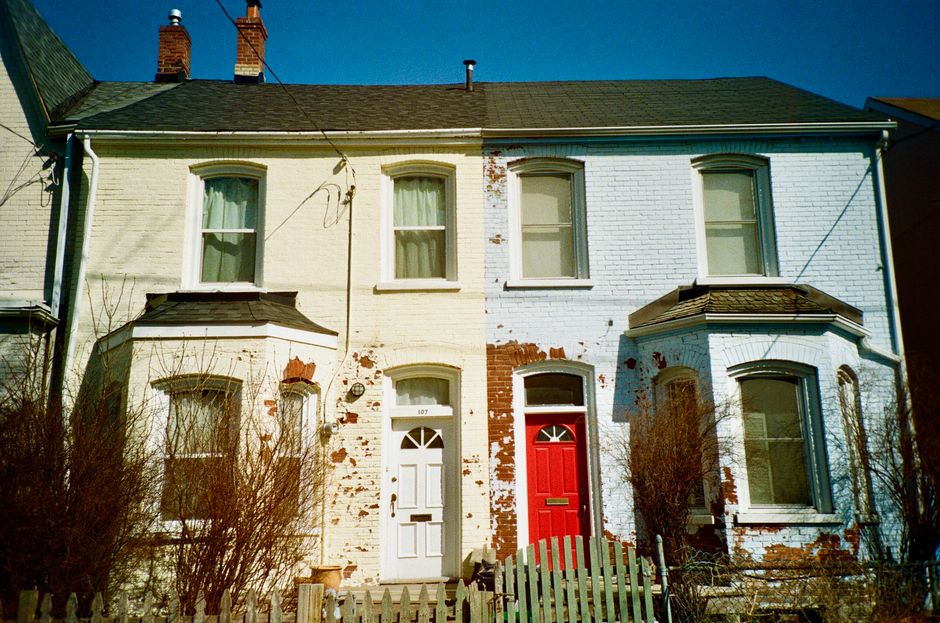
Sheen sets how much light a surface throws back, and the running record exterior painters torrance sam sparro holds shows that most sheen complaints on an exterior repaint in Torrance, CA come from picking one finish for every surface on the house. Stucco, siding and trim each want something different.
Flat and matte on stucco

Stucco is a rough surface, and a flat or low sheen acrylic latex hides the texture shadows and the small patch marks that repair work leaves. A glossier finish on stucco makes every trowel mark and hairline repair visible in low evening sun. Flat also hides the slight color variation between a patched area and the old wall.
Satin on siding
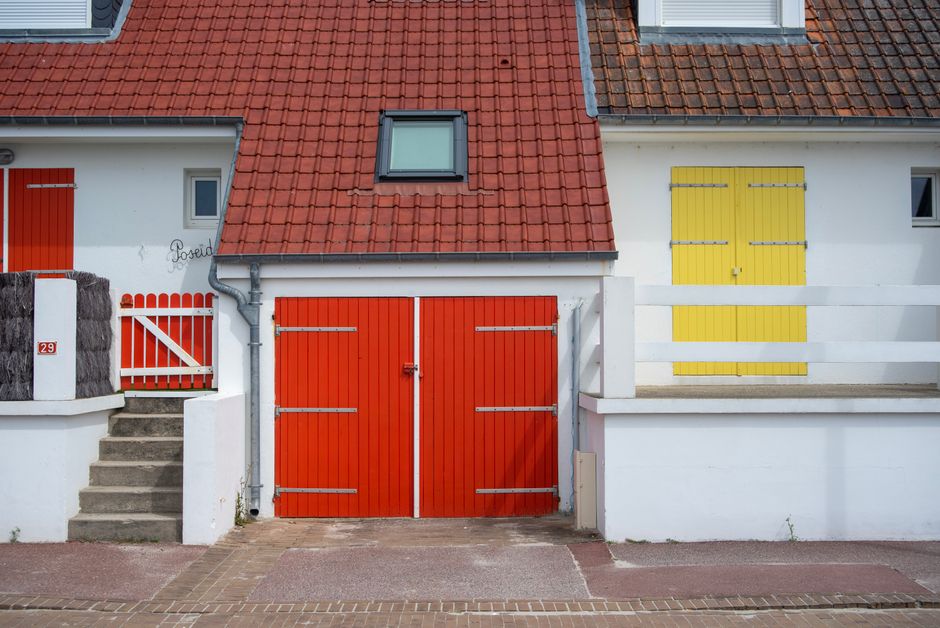
Smooth wood or fiber cement siding takes a satin or eggshell finish well. Satin sheds dirt, wipes clean, and holds up against the salt film that settles on coastal walls near the Pacific Ocean. A flat finish on smooth siding collects grime and chalks faster.
Semi gloss on trim
Trim, doors and window frames take semi gloss enamel. The harder, smoother film sheds water and takes abuse from hands, ladders and sprinklers. The contrast between a flat wall and a semi gloss trim line also gives the house a crisp edge.
How sun changes what a sheen looks like
A color chip in a store looks different on a wall in strong afternoon sun. Higher sheens look lighter and brighter in direct light. Dark colors in a glossy sheen on a south wall show every ripple and heat up faster, which can stress the film. A sample on the actual wall, checked at morning, noon and evening, settles it better than any chip.
Why acrylic latex is common here
Acrylic latex stays flexible, resists UV breakdown and breathes enough to let moisture escape from stucco. An oil based finish gives a hard, smooth film on trim but chalks and yellows faster in strong sun. Many houses on the Palos Verdes Peninsula and across the South Bay end up with acrylic latex on the walls and an enamel on the trim.
Practical points
Coverage numbers on the can assume smooth, primed surfaces. Stucco takes more paint than the can says, because the texture has more surface area than it looks. A roller with a thick nap loads more paint per pass and helps on rough walls. Cut in the trim line carefully, because a semi gloss next to a flat wall shows every wobble.